
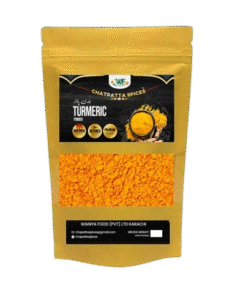
Haldi Powder – Turmeric Powder, 100 gm
Original price was: ₨ 500.₨ 450Current price is: ₨ 450.
Haldi powder is turmeric powder, a vibrant golden spice made from the dried and ground root of the turmeric plant, known for its use in Pakistani and South Asian cuisine for its earthy flavor and color. It contains curcumin, a compound with strong anti-inflammatory and antioxidant properties, and is used for its health benefits, including supporting digestion, boosting the immune system, and as an ingredient in remedies and skin products.
Haldi Powder – Turmeric Powder.
Haldi powder is turmeric powder, a vibrant golden spice made from the dried and ground root of the turmeric plant, known for its use in Pakistani and South Asian cuisine for its earthy flavor and color. It contains curcumin, a compound with strong anti-inflammatory and antioxidant properties, and is used for its health benefits, including supporting digestion, boosting the immune system, and as an ingredient in remedies and skin products.
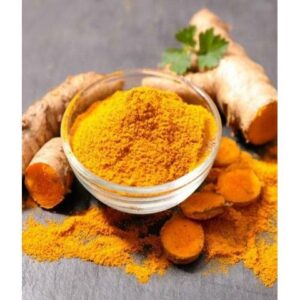
Uses and Benefits
- Culinary: Haldi powder adds a distinct golden color, warm, and earthy flavor to dishes like curries, soups, and rice.
- Health:
- Anti-inflammatory: Curcumin in haldi may help alleviate joint pain.
- Digestive Aid: It stimulates bile production, aiding in fat breakdown and potentially reducing bloating.
- Antioxidant Properties: Turmeric’s antioxidants support overall wellness.
- Immune Support: It can help strengthen the immune system and is used for coughs, colds, and bronchitis.
- Cosmetic: It is also used in skin products for its beneficial properties.
Turmeric powder is used as a vibrant yellow food coloring and flavoring, particularly in South Asian cuisines, and is also valued for its medicinal properties. Its active compound, curcumin, offers anti-inflammatory and antioxidant benefits, supporting health conditions like arthritis, metabolic syndrome, and indigestion. It can be incorporated into food and beverages or used in skincare for its potential to improve skin health, though research on many other conditions is ongoing.
Culinary Uses
-
Flavor and Color:
Turmeric is famous for giving curries, mustards, and cheeses their distinctive yellow hue and warm, slightly bitter taste.
-
Dishes:
It is a staple in curries, stews, and soups, and can be added to rice, lentil dishes, and even pancake batter for added flavor and color.
-
Beverages:
Turmeric can be brewed into tea or blended into smoothies for a flavorful and potentially healthy drink.
Medicinal and Health-Related Uses
-
Anti-inflammatory:
Turmeric’s curcumin content may reduce inflammation, making it beneficial for conditions like arthritis and muscle soreness after exercise.
-
Antioxidant Properties:
Curcumin is a potent antioxidant that helps neutralize free radicals, which are linked to aging and various diseases.
-
Digestive Health:
It has shown promise in improving indigestion and may be as effective as some medications for this condition.
-
Skin Health:
Due to its anti-inflammatory and antimicrobial properties, turmeric is used in topical treatments for skin issues like acne and psoriasis.
-
Cognitive Function:
Preliminary research suggests curcumin might protect the brain, potentially delaying the onset of neurodegenerative diseases such as Alzheimer’s.
Important Considerations
- Absorption: Curcumin is not well-absorbed by the body on its own.
- Scientific Evidence: While some uses are well-supported by research, such as for arthritis and hay fever, more human studies are needed to confirm benefits for many other conditions.
For most adults, consuming up to 500–1,000 mg of turmeric powder daily is a safe and reasonable amount for general health benefits, with up to 8,000 mg (about 3 teaspoons) considered safe for short periods. However, the ideal dose varies by individual and condition, so it’s best to consult a healthcare professional before taking supplements, especially if you have existing health conditions or are on other medications. For better absorption, take turmeric with healthy fats like oils or avocado.
General Daily Amounts
- For the general population: Start with 500–1,000 mg of turmeric powder per day.
- Maximum safe intake: Up to 8,000 mg (about 3 teaspoons) of turmeric or curcumin per day has been shown to be safe for short-term use in most people.
- Clinical studies: Often use doses of 500 mg to 2,000 mg of turmeric or curcumin daily for potential benefits.
Considerations
-
Talk to a healthcare provider:
Always discuss turmeric supplements with your doctor, especially if you are pregnant, breastfeeding, have diabetes, or are taking other medications.
-
Bioavailability:
Turmeric is better absorbed by the body when taken with fatty foods or other healthy fats, such as those found in oils, avocados, nuts, and seeds.
-
Curcumin vs. turmeric:
Curcumin is the active compound in turmeric, and some supplements are specifically high in curcumin, which may offer more benefits than standard turmeric powder.
-
Dietary use:
Adding turmeric to your cooking is generally safe and can provide health benefits without the need for high-dose supplements.
Related products
-
Powder Spices
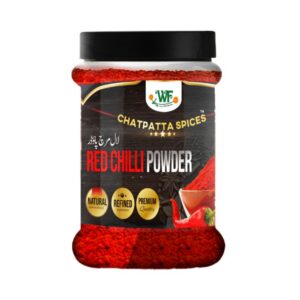
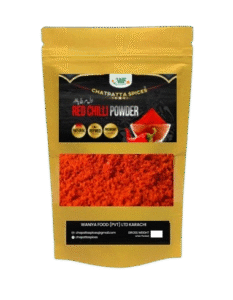
04-Red Chili Powder 100 gm
Original price was: ₨ 500.₨ 450Current price is: ₨ 450. Add to cart -
Powder Spices
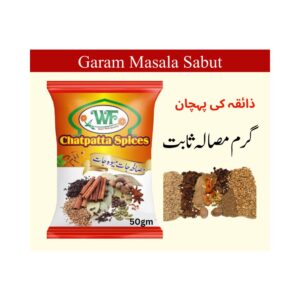
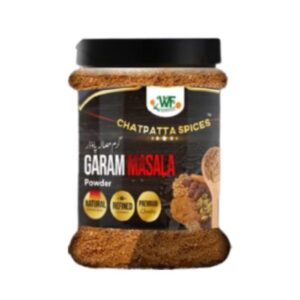
Garam Masala Powder 50 gram
Original price was: ₨ 500.₨ 450Current price is: ₨ 450. Add to cart -
Powder Spices
05-Garam Masala Powder 100 gm
Original price was: ₨ 500.₨ 450Current price is: ₨ 450. Add to cart -
Powder Spices
Red Chili Powder 100 gm
Original price was: ₨ 500.₨ 450Current price is: ₨ 450. Add to cart
Reviews
There are no reviews yet.