
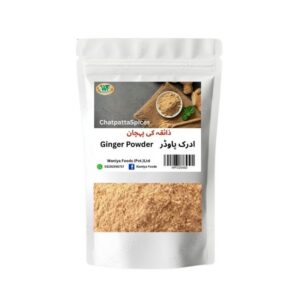
3-Ginger powder 100 gm
Original price was: ₨ 500.₨ 450Current price is: ₨ 450.
Ginger powder is the ground, dried root of the ginger plant, offering a warm, spicy flavor and numerous health benefits, including digestive support and anti-inflammatory properties. It can be used to flavor a wide range of sweet and savory dishes, such as curries, baked goods, teas, and smoothies. To make it, fresh ginger is washed, sliced, dried, and then ground into a powder, which should be stored in an airtight container.
Availability: 50 in stock
Ginger powder.
Ginger powder is the ground, dried root of the ginger plant, offering a warm, spicy flavor and numerous health benefits, including digestive support and anti-inflammatory properties. It can be used to flavor a wide range of sweet and savory dishes, such as curries, baked goods, teas, and smoothies. To make it, fresh ginger is washed, sliced, dried, and then ground into a powder, which should be stored in an airtight container.
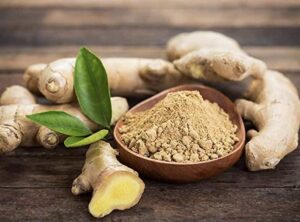
Culinary Uses
- Savory Dishes: Add to stir-fries, soups, curries, and marinades for a warm, spicy kick.
- Baked Goods: Incorporate into cakes, cookies, breads, and other desserts for a zesty flavor.
- Beverages: Stir into teas, smoothies, and hot water for a soothing and aromatic drink.
- Other Uses: Use in candies, spice blends, and to season various other recipes.
Health Benefits
- Digestive Aid: Helps relieve nausea, indigestion, and bloating by acting on the stomach and intestines.
- Anti-inflammatory: Contains gingerol, a substance with antibacterial and antifungal properties that can reduce inflammation.
- Immune Support: Can help strengthen the immune system and fight off infections, fevers, and cold and flu symptoms.
- Pain Relief: May provide relief from muscle pain and stiffness.
- Antioxidant Effects: Promotes overall wellness by fighting oxidative stress.
How to Make Ginger Powder at Home
- Clean: Wash fresh ginger thoroughly.
- Prepare: You can either peel the skin or leave it on. Slice the ginger into thin pieces.
- Dry: Spread the slices on a steel plate and dry them in the sun for a couple of days until completely dry.
- Grind: Transfer the dried pieces to a mixer and grind them into a fine powder.
- Store: Sift to remove lumps and store the powder in an airtight container in a cool, dry place.
Ginger provides 10 key health benefits
Ginger provides 10 key health benefits: it reduces nausea, eases digestion, fights inflammation, alleviates pain, lowers blood sugar, reduces cholesterol, supports brain function, helps prevent cancer, boosts the immune system, and enhances heart health. These benefits stem from ginger’s active compounds, particularly gingerol, which act as antioxidants and anti-inflammatory agents.
-
Reduces Nausea:
Ginger is well-known for its ability to relieve nausea, including motion sickness, pregnancy-related nausea, and nausea from chemotherapy.
-
Eases Digestion:
It stimulates digestion, helping to reduce bloating, gas, and indigestion by promoting healthy enzymes that break down food.
-
Fights Inflammation:
Ginger’s potent anti-inflammatory properties, primarily from gingerol, help reduce chronic inflammation in the body.
-
Alleviates Pain:
It can significantly reduce pain from conditions such as menstrual pain (dysmenorrhea), muscle soreness after exercise, and pain from osteoarthritis.
-
Lowers Blood Sugar:
Ginger can help regulate and lower blood sugar levels, making it beneficial for people with diabetes.
-
Reduces Cholesterol:
Studies show that ginger can help lower levels of “bad” LDL cholesterol.
-
Supports Brain Function:
Its anti-inflammatory and antioxidant actions may protect the brain from age-related decline and disorders like Alzheimer’s disease.
-
Helps Prevent Cancer:
The compound gingerol found in ginger has shown potential in fighting certain types of cancer and preventing the proliferation of cancer cells.
-
Boosts Immunity:
Ginger’s antioxidant and anti-inflammatory properties can help strengthen the immune system and protect against colds, flu, and other infections.
-
Supports Heart Health:Ginger contributes to heart health by helping to lower blood pressure and cholesterol levels, and improving circulation.
Related products
-
Ginger Garlic
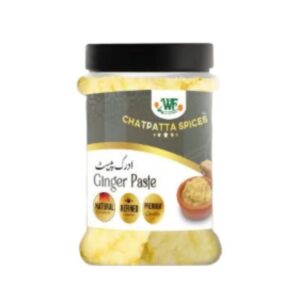
1-Ginger Paste. 100 gm
Original price was: ₨ 500.₨ 450Current price is: ₨ 450. Add to cart -
Ginger Garlic
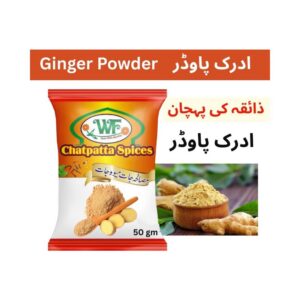
Ginger powder 50 gram
Original price was: ₨ 500.₨ 450Current price is: ₨ 450. Add to cart -
Ginger Garlic
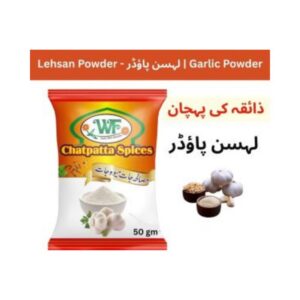
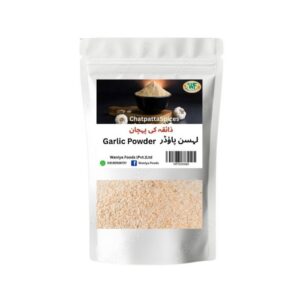
Garlic powder 50 gram
Original price was: ₨ 500.₨ 450Current price is: ₨ 450. Add to cart -
Ginger Garlic
4-Garlic powder 100 gm
Original price was: ₨ 500.₨ 450Current price is: ₨ 450. Add to cart
Reviews
There are no reviews yet.