
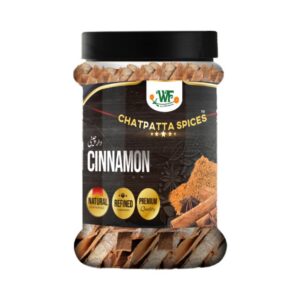
7-Cinnamon دار چینی
Original price was: ₨ 500.₨ 450Current price is: ₨ 450.
Cinnamon is a fragrant spice derived from the dried inner bark of trees from the Cinnamomum genus, commonly used to flavor foods and for its potential health benefits, such as helping to regulate blood sugar, lower blood pressure, and acting as an antioxidant.
Availability: 50 in stock
Cinnamon دار چینی
Cinnamon is a fragrant spice derived from the dried inner bark of trees from the Cinnamomum genus, commonly used to flavor foods and for its potential health benefits, such as helping to regulate blood sugar, lower blood pressure, and acting as an antioxidant. It is available as ground powder or as rolled “quills”. While generally safe, high doses of cassia cinnamon, the most common variety, should be avoided by individuals with liver disease due to its coumarin content.
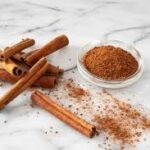
Types of Cinnamon
Ceylon Cinnamon (True Cinnamon):
Known for its sweet, light brown color and thin, crumbling texture, it has a very low coumarin content.
Cassia Cinnamon: The most common and typically more affordable type, found in a variety of forms, including ground powder.
Culinary Uses
Baking: A staple in desserts like cinnamon rolls and apple pie.
Flavoring: Used in a wide range of sweet and savory dishes and drinks.
Flavoring & Essential Oils: Found in supplements, bath products, and other scented items.
Potential Health Benefits
Cinnamon contains plant compounds like cinnamic aldehyde and cinnamyl alcohol, which contribute to its aroma and offer therapeutic properties.
Blood Sugar Control:
Can help lower blood sugar levels by imitating insulin and improving insulin sensitivity.
Antioxidant and Anti-inflammatory:
Contains compounds that help fight oxidative stress and inflammation in the body.
Cardiovascular Health:
May help lower blood pressure and cholesterol.
Other Potential Benefits:
Some research suggests possible roles in cancer prevention, neurodegenerative disorders like Alzheimer’s, and more.
Important Considerations
Coumarin Content:
Cassia cinnamon contains high levels of coumarin, which can be toxic to the liver in large doses.
Dosage:
Consuming moderate amounts of cinnamon, as a spice in food, is generally safe.
Allergic Reactions:
In rare cases, some individuals may experience allergic contact dermatitis.
Related products
-
Whole Spices
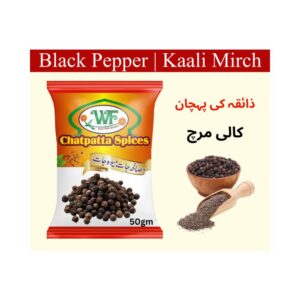
Kali mirch (Black Pepper) 50 gram
Original price was: ₨ 500.₨ 450Current price is: ₨ 450. Add to cart -
Whole Spices
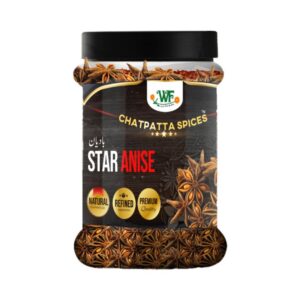
9-Star Anise (Badyan Ka Phool – بادیان کا پھول)
Original price was: ₨ 500.₨ 450Current price is: ₨ 450. Add to cart -
Whole Spices
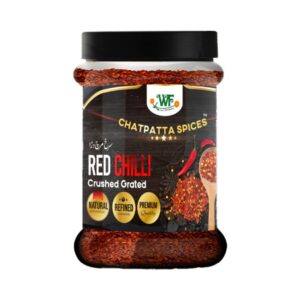
3-Red chilies Crash
Original price was: ₨ 500.₨ 450Current price is: ₨ 450. Add to cart
Reviews
There are no reviews yet.